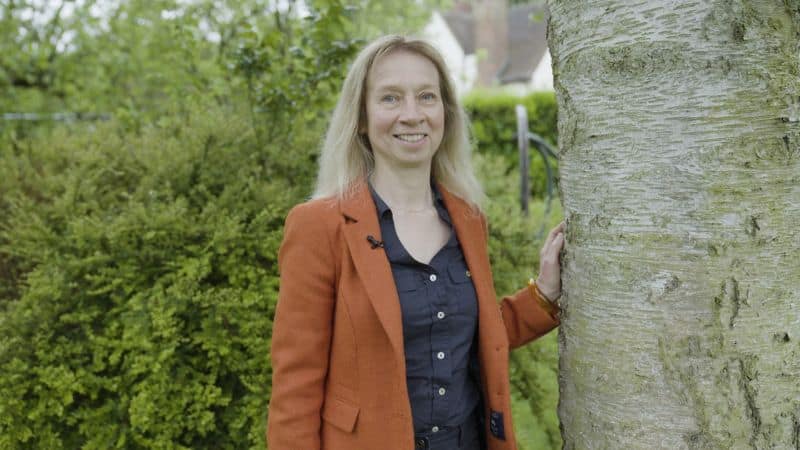
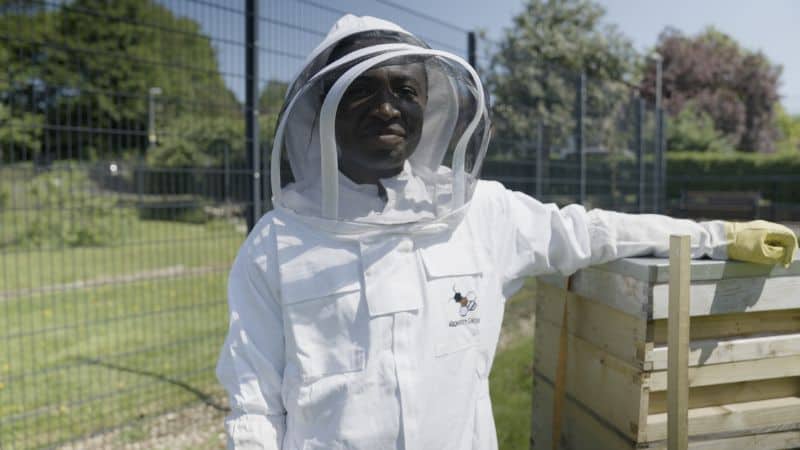
Farm Environment Advisers provide expert advice to farmers and land managers, helping to implement sustainable practices that balance food production with environmental stewardship. They support habitat creation, species conservation, soil health, woodland management, and the design and delivery of agri-environment schemes, working at scales from individual farms to full landscapes.

Farm Environment Advisor
Salaries typically range from £25k – £45k
This range is from entry-level to those who are more experienced with greater responsibility. It’s dependent on experience, location and employer type.
Agriculture is a key industry for the future of our planet. The expertise of Farm Environment Advisors will be increasingly vital as global investment in biodiversity and climate goals grows.
Please note: the information in our job profiles aims to give a general overview of the role and a guideline to what it involves. The content is not intended to be exhaustive and roles will vary depending on the organisation and sector. The salary ranges are a guide only, as these are dependent on the size and location of the organisation.
How does this role align to the green agenda?
Farm Environment Advisers are critical to achieving sustainable agriculture, supporting the green agenda by balancing environmental restoration with food production. They advise on practices that:
- Reduce greenhouse gas emissions through improved soil health and sustainable land use
- Enhance biodiversity by restoring habitats and protecting species
- Build resilience against climate change by implementing adaptive farming systems and regenerative practices.
By working with farmers, government bodies, and environmental groups, Farm Environment Advisers drive the transition to sustainable agriculture.
Skills and capabilities
A mix of technical, interpersonal and analytical skills are required in the role of Farm Environment Advisor.
A full UK driving licence and the capacity to work alone outdoors are essential for this role.
Technical knowledge
- Experience in habitat assessment, ecological surveying, and negotiating management packages.
- Strong knowledge of schemes like the Sustainable Farming Incentive and Higher Tier Countryside Stewardship.
- Familiarity with farmyard infrastructure improvements, natural flood management, biodiversity net gain, and carbon capture.
- Proficiency in GIS mapping, data recording, report writing, and producing land registry maps.
- Competence in desktop publishing, PowerPoint, and delivering presentations to diverse groups.
Transferable skills

A day in the life of a Farm Environment Advisor
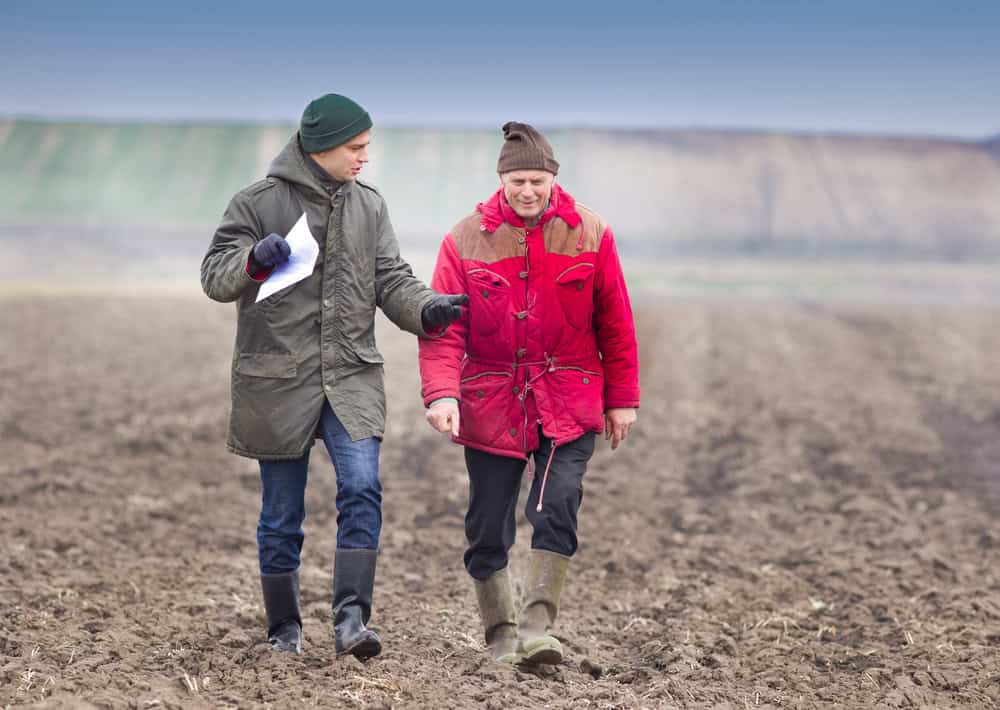
Farm Environment Advisers split their time between:
The job involves working with a wide range of stakeholders, including farmers, environmental NGOs, government agencies, and community groups. Flexible working, part-time roles, and remote options may be available, depending on the employer. Work environments vary from farms and woodlands to offices and planning meetings.
Entry routes
Potential career progression
Career progression opportunities for Farm Environment Advisers can be found below. Having completed their initial training or gained relevant experience, many Farm Environment Advisers commit to keeping their skills and knowledge up-to-date. A good way to do this is by joining the BASIS Environmental Advisers Register.
Relevant sectors
- Agriculture, forestry and fishing
- Construction and built environment
- Consultancy
- Education
- Energy
- Food and drink
- Horticulture
- Hospitality and events
- Infrastructure
- Real estate, including corporate real estate
- Resource / waste management
- Utilities
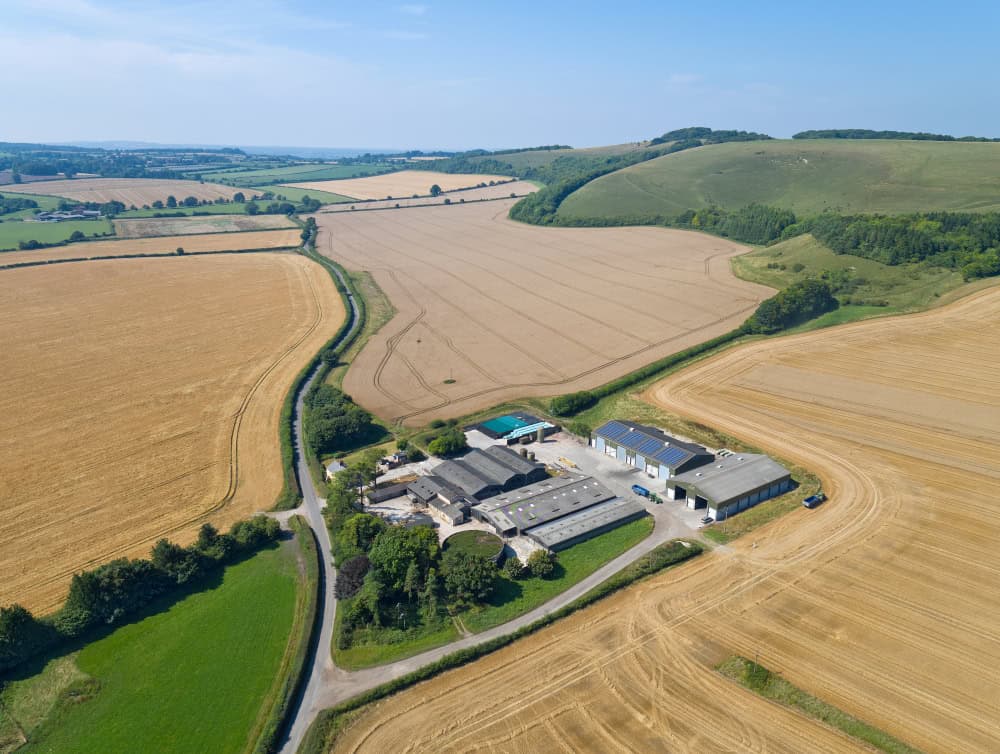
Learn about the green agenda across different sectors
Information kindly supplied by:
BASIS Registration Ltd.
BASIS is a charitable organisation committed to raising professional standards across land management and food production.