Skip to content
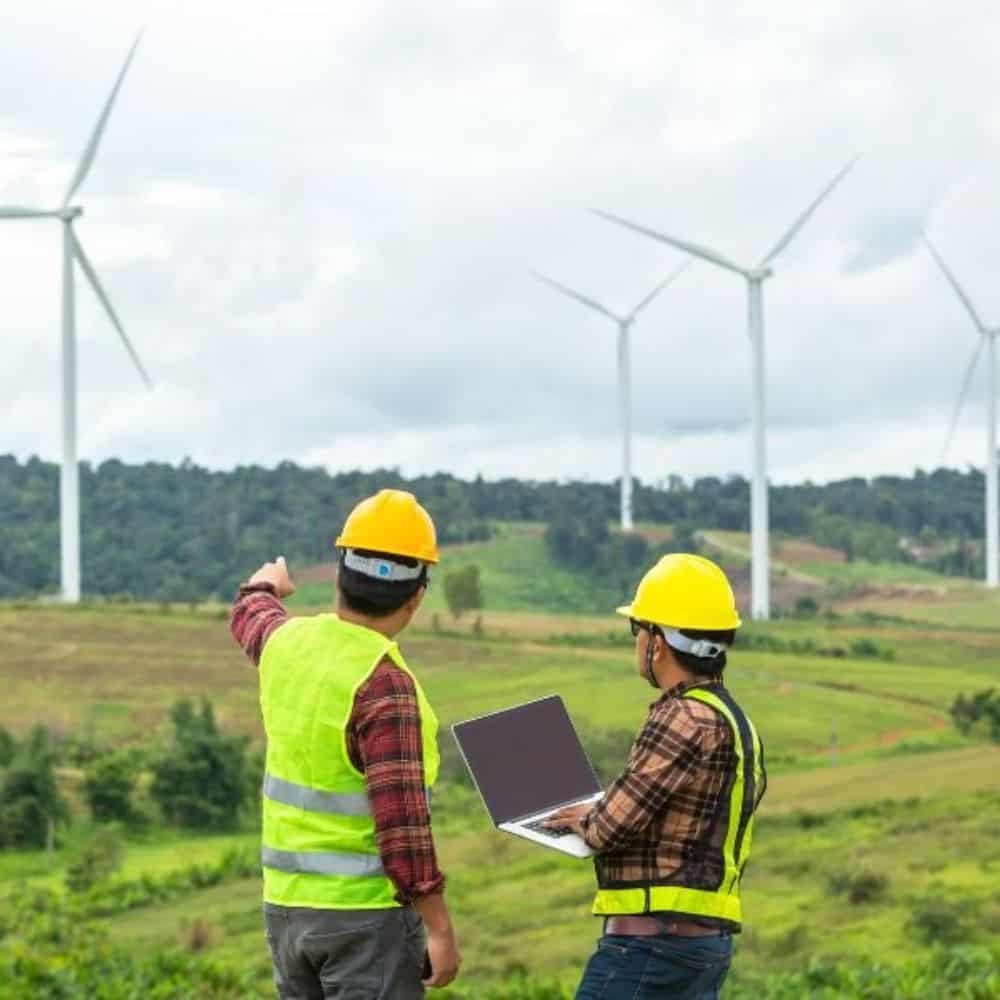
Environmental impact assessor looking at site for new wind turbines

Environmental Impact Assessor (for EIA)

An Environmental Impact Assessor is responsible for the coordination and production of Environmental Impact Assessments (EIAs) that sit alongside planning applications for large-scale developments, with the potential to significantly affect the environment.

Whilst not necessarily a specialist in any specific environmental discipline, an Environmental Impact Assessor will have a broad, extensive understanding of all the technical topics to ensure that they can review and interrogate these assessments as part of the EIA process.

Outside of the project team, and depending on the project, an Environmental Impact Assessor can also work and lead on consultation with environmental consultees (such as the Environment Agency), local authorities, members of the public and councillors.

£24k – £35k

Graduate / Consultant salary range

£35k – £55k

Senior Consultant / Principal salary range

£55k – £85k+

Associate / Technical Director salary range

Please note: the information in our job profiles aims to give a general overview of the role and a guideline to what it involves. The content is not intended to be exhaustive and roles will vary depending on the organisation and sector. The salary ranges are a guide only, as these are dependent on the size and location of the organisation.

How does this role align to the green agenda?

Environmental impact assessment ensures that the decision maker (often local authorities) understands all the environmental implications of a proposed development, before deciding on whether to grant consent.       

An Environmental Impact Assessor will work with the team to assess the effects of a development, and where adverse effects are observed, they will identify ways to mitigate these effects. Mitigation measures can be delivered through amendments to the design of the project, or through planning conditions or legal agreements with the decision maker. Environmental enhancements are also considered and incorporated where possible to maximise the environmental and sustainability credentials of a development. The process leads to a better understanding of the potential environmental implications of development schemes and works to ensure they reduce adverse effects on the environment as far as possible.        

As a result of the changes in legislation and a move to Environmental Outcomes Reports (EORs), there is likely to be a complete restructure in the process and methodology of environmental assessment and reporting. An Environmental Impact Assessor will therefore need to be adaptable to these changes in legislation in the future, in addition to digital advancements in reporting.

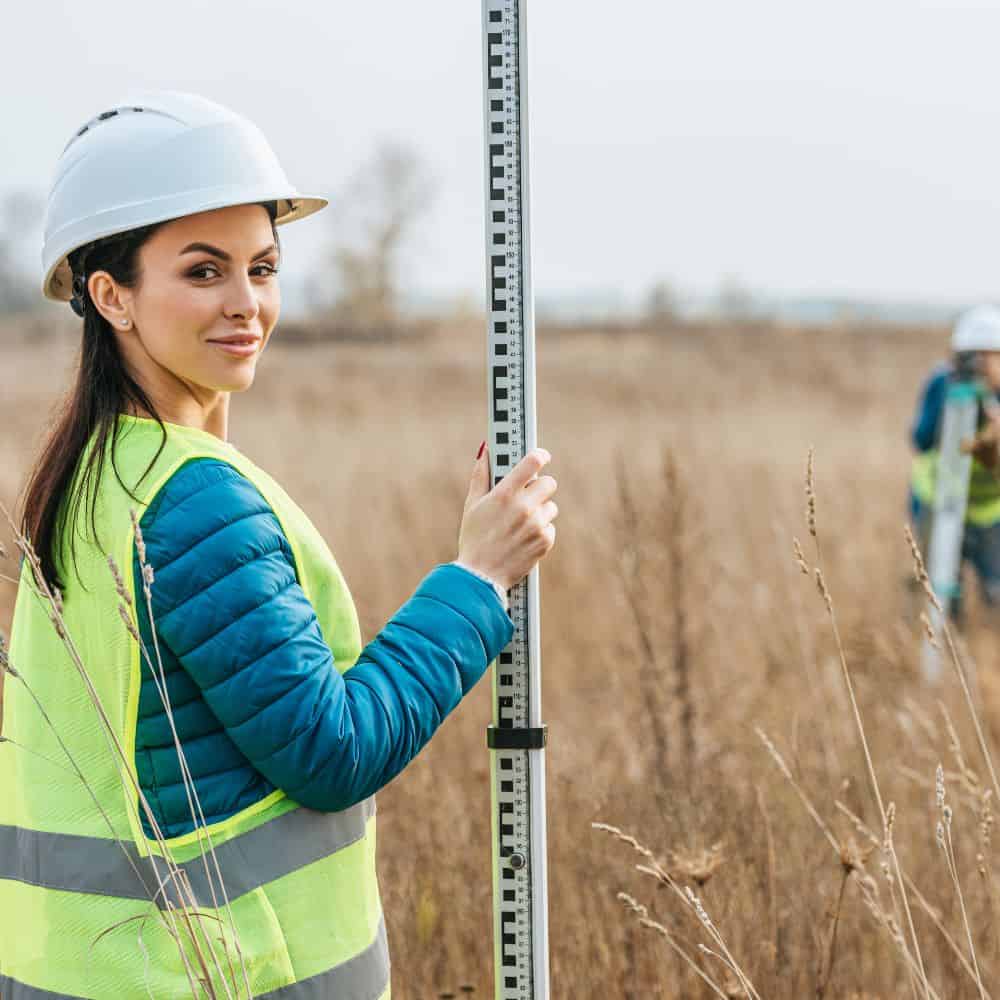
Environmental impact assessor doing a field survey

Skills and capabilities

An Environmental Impact Assessor is responsible for the coordination and production of EIAs. A key part of this is making sure that EIAs are technically robust and that the correct assessments have been undertaken.

Another fundamental part of the role is the ability to take complex environmental information and put this into digestible and easily understandable forms – both in meetings and in written documents (such as within Non-Technical Summaries).

The skills required and roles you are responsible for as an Environmental Impact Assessor mean you develop a valuable skill set relating to general project management as well as technical environmental knowledge. Skills are also strengthened by the breadth of projects worked on, the roles you will fulfil, and the project teams you will be a part of.

Technical knowledge

At entry level, no experience in EIA is often accepted, but you must be able to show a keen eye for detail, be organised, have the ability to communicate with your project teams effectively and have a grasp of time management and prioritising work. Showing how you have developed these skills and why you think you can easily apply them to the role is essential.

For more senior levels in the industry, demonstrable experience in managing and leading on the preparation of EIAs, as well as strategic direction of the technical teams and ability to work well with client and design teams, is required.

Learn more about upskilling
Environmental impact assessor sits in meeting discussing project with key stakeholders

A day in the life of an Environmental Impact Assessor

The day in the life of an Environmental Impact Assessor is highly variable and includes communication and coordination with a wide range of stakeholders (both internal and external) as the ‘go-to’ daily project contact on environmental matters.       

The role requires liaising with a team, often made up of a developer, architects, planners, lawyers and environmental specialists, covering topics such as air quality, noise, wind, daylight and sunlight, archaeology, ecology, water quality, heritage, townscape and views. 

  • Review of technical reports   
  • Attendance at regular meetings representing the environmental team
  • Site visits   
  • Authoring of non-technical and technical deliverables   
  • Production of mapping and figures   
  • Internal progress reporting and knowledge sharing   
  • Research into new guidance and legislation   
  • Training and CPD (Continuous Professional Development)   
  • Budget and finance management.      

Larger organisations often have in-house technical teams so there may be an opportunity to expand your knowledge through shadowing different departments and assisting on areas such as ecological surveys.   Challenges within the role include the fast-paced working environment, challenging timescales, and working across multiple projects simultaneously. This requires efficient and nimble working and the ability  to spot potential issues early and adapt.

Many Environmental Impact Assessor roles offer hybrid working opportunities with the option for part-time work. Some companies may also offer international working opportunities.

Entry routes

Graduate recruitment commonly focuses on people with environmental-related undergraduate degrees (such as Environmental Science, Geography and Biological Sciences). Master’s degrees in relevant subjects can also be beneficial. The key requirement is showing how you have developed certain key skills (such as through EIA specific modules, for example Geographical Information Systems, Air Quality etc.) which will help you develop in the role.        

In lieu of an environmental-related degree, other experience such as consultancy internships and relevant volunteering where you can demonstrate management of a task, effective communication, etc. can also be of benefit in securing an entry level Environmental Impact Assessor role.        

Whilst historically organisations have required an environmental-related degree, and sometimes accompanying Master’s, some organisations will consider applicants straight from school/college, with select organisations starting to offer apprenticeships, such as the Level 6 Environmental Practitioner integrated degree apprenticeship in England.

To note: in England, Northern Ireland and Wales, it will typically take three years to complete a full-time, undergraduate degree. In Scotland, it typically takes four years. Apprenticeship courses vary in length, and also require an end-point assessment period. Please check this information on a case-by-case basis.

Relevant sectors

Image of four people working on a clipboard in office envrionment

Learn about the green agenda across different sectors

Information kindly supplied by:
Trium logo
Trium Environmental

Trium is an environmental consultancy specialising in urban regeneration and property development projects in the UK.

Success stories

Created by

ISEP logo with name

ISEP is the membership body for environment and sustainability professionals