Skip to content
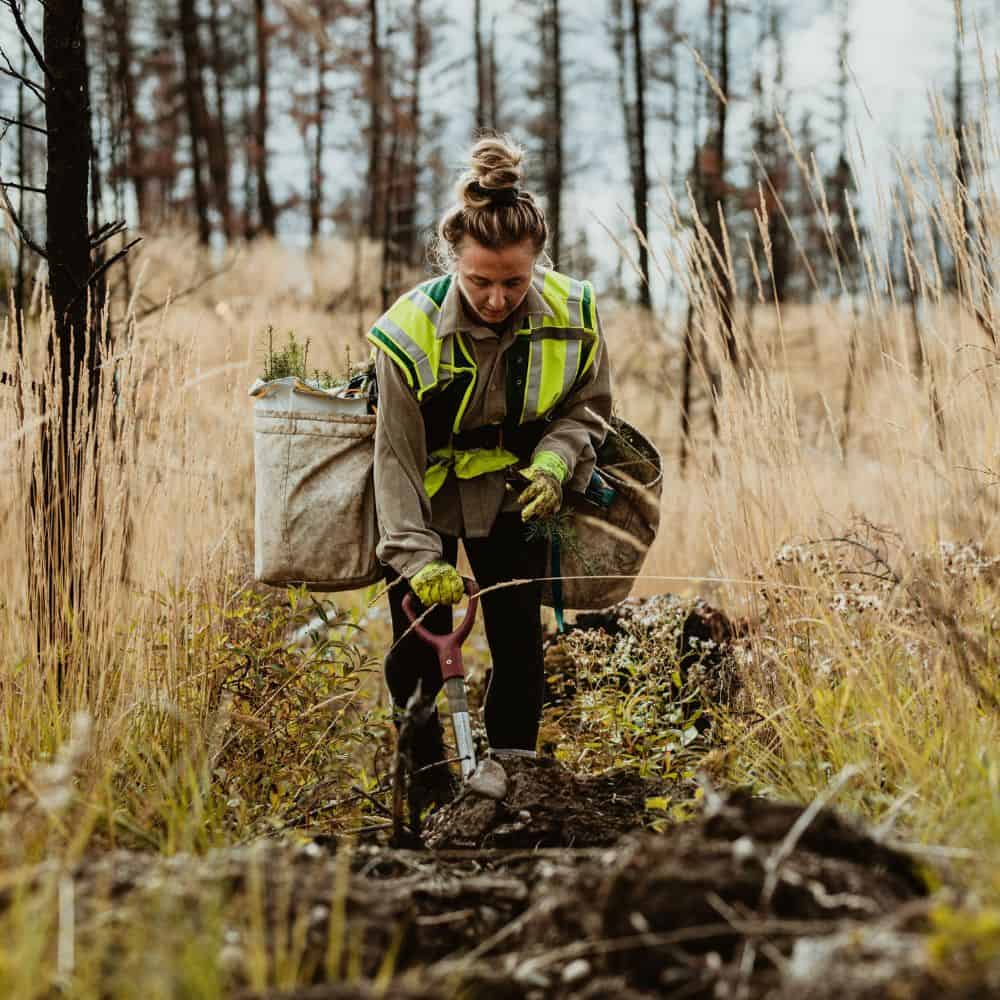
Woman planting trees

Environmental Conservation Officer

Sometimes known as a Nature, Biodiversity or Conservation Officer, the main remit of an Environmental Conservation Officer is to protect, manage and enhance the environment across a variety of habitats and species. The job is broad and includes both practical and theoretical elements.

Planning and undertaking surveys and recording data on animal species and habitats is a big part of the role. Analysing behaviour and changes in the environment will help us to understand our planet better, and what we need to do to protect it.

£18k – £32k

Salary range

£32k+

Experienced managers could earn

Please note: the information in our job profiles aims to give a general overview of the role and a guideline to what it involves. The content is not intended to be exhaustive and roles will vary depending on the organisation and sector. The salary ranges are a guide only, as these are dependent on the size and location of the organisation.

How does this role align to the green agenda?

Understanding our habitats is vital to meet our biodiversity goals. For this reason, in the UK, increasing numbers of people are employed, or volunteer, in conservation roles every year. This role is critical to our planet, so you will need to be passionate about the environment and wildlife.

Conservation also helps to repair some of the damage that we have already made to our environment through activity such as deforestation. As trees naturally remove carbon dioxide from the atmosphere, they help to prevent climate change.

Preserving our species diversity keeps ecosystems balanced, helping to prevent potential flora or fauna extinction. In addition, we need to conserve minerals and resources across our habitats for future generations.

Close up photo of a bee on a daisy

Skills and capabilities

A mix of technical, interpersonal and analytical skills are required in the role of Environmental Conservation Officer.

Technical knowledge

  • An understanding of environmental policies and staying up-to-date with the latest legislation
  • Basic geography, science, and wildlife knowledge
  • Data analysis and database maintenance
  • Ability to undertake effective research
  • Use of hand tools or other equipment.
Learn more about upskilling
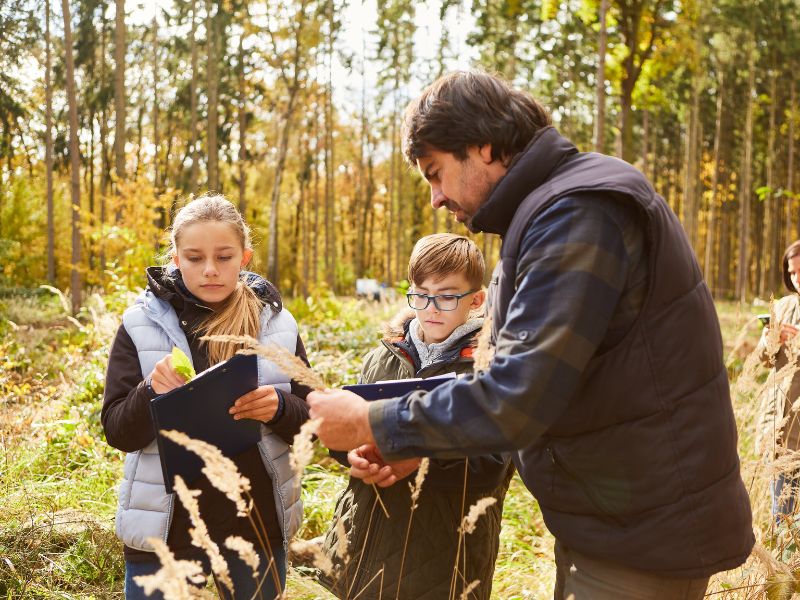
Environmental officer educating children in the woods

A day in the life of an Environmental Conservation Officer

You can work in and across a wide variety of ecosystems, including forests, national parks, coastlines, rivers, and urban areas. Some tasks can be physically demanding, and you may need to use certain tools. Lots of time will be spent outdoors, in any weather, and travel may be required to certain places. However, the role also includes desk-based work; administrative duties and research. Due to this variety, hours may vary and can sometimes go across evenings or weekends.

You will need to be able to work in a team as well as independently. You will liaise with a large group of stakeholders including residents, landowners, rangers, and local government. Part of your role may also include educating the local community.

  • Fieldwork, site visits and practical management of green spaces
  • Writing conservation reports and maintaining good records
  • Drafting grant or funding proposals
  • Running environmental education sessions to raise awareness and generate interest among local communities
  • Undertaking surveys, recording data and monitoring habitats
  • Writing communications and publicity materials
  • Advising on developments in the area.

Entry routes

You can view some of the potential routes below, or see an up-to-date list of qualifications for Environmental Conservation Officers on the Lantra website.  At school, subjects such as sciences or geography would be useful to consider. To note: in England, Northern Ireland and Wales, it will typically take three years to complete a full-time, undergraduate degree. In Scotland it takes four years. Apprenticeships vary in length, and there is also the end-point assessment period to take into consideration. Please check this information on a case-by-case basis.

People often volunteer in this space to gain relevant work experience, and sometimes seasonal work can be available too. Training courses are also a route into this profession, in areas such as:

  • Practical hedge laying
  • Boundary fences
  • Woodland management
  • First aid
  • Conservation grazing
  • Dry stone walling
  • Management and maintenance of ponds and wetland areas.

Relevant sectors

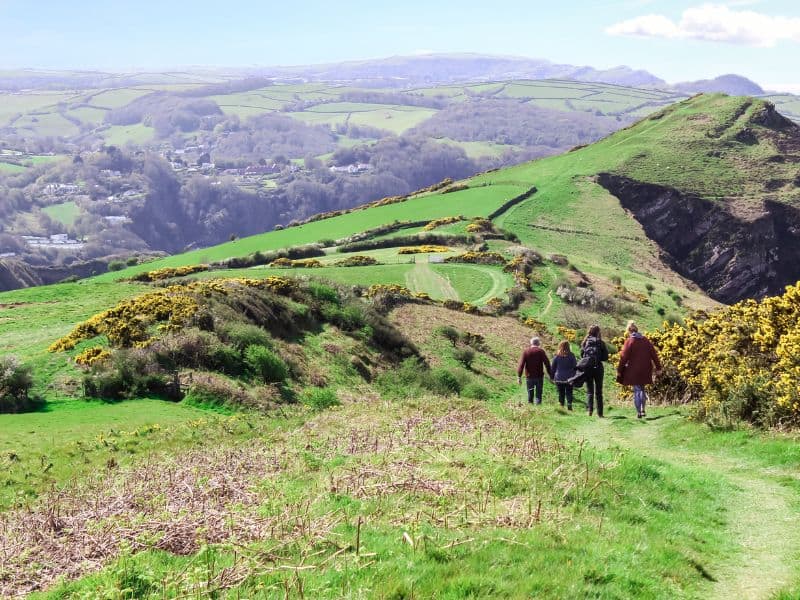
Four individuals walking in the hills in the UK countryside

Learn about the green agenda across different sectors

Information kindly supplied by:
Lantra logo
Lantra

Lantra is one of the leading awarding bodies for land-based industries in both the UK and the Republic of Ireland.

Success stories

Created by

IEMA is the membership body for environment and sustainability professionals