Skip to content
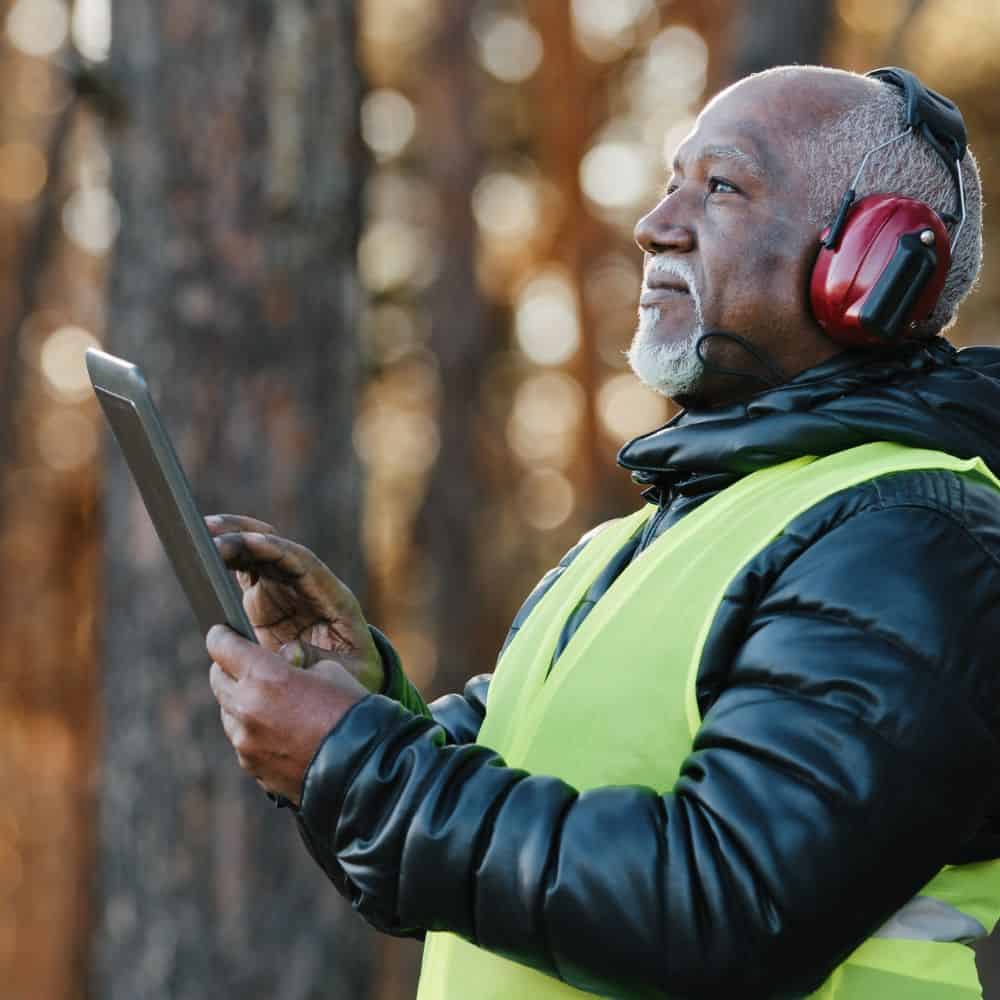
Forester with headphones and hi-vis looking at a tablet

Forester

A Forester, also known as a Forest Officer or Professional Forester, plans and manages woodland areas and forests. They are responsible for forest maintenance, development and management through the planting and harvesting of timber.

Foresters carry out a range of supervisory and managerial tasks across all stages of development, from valuing and buying land through to harvesting timber.

Foresters are also involved in wildlife and environmental conservation and practise sustainable forestry. They work closely with landowners, local authorities, and other contractors and advisors
£22k – £34k

Salary range

Please note: the information in our job profiles aims to give a general overview of the role and a guideline to what it involves. The content is not intended to be exhaustive and roles will vary depending on the organisation and sector. The salary ranges are a guide only, as these are dependent on the size and location of the organisation.

How does this role align to the green agenda?

Trees play an important part in protecting our biodiversity and animal habitats, and can enhance our ecology. They are vital to our mental and physical well-being and support a low carbon economy by naturally absorbing and storing carbon.

Sustainable forest management is the responsibility of ensuring that woodland and forest areas are protected and sustained through the practical application of considered and careful forestry activities. It also involves enabling and addressing the correct social, environmental and economic balance for the future health and maintenance of the forest.

According to Nesta’s Green Jobs Explorer, 11.9% of the skills listed on the job adverts for this occupation are green skills.

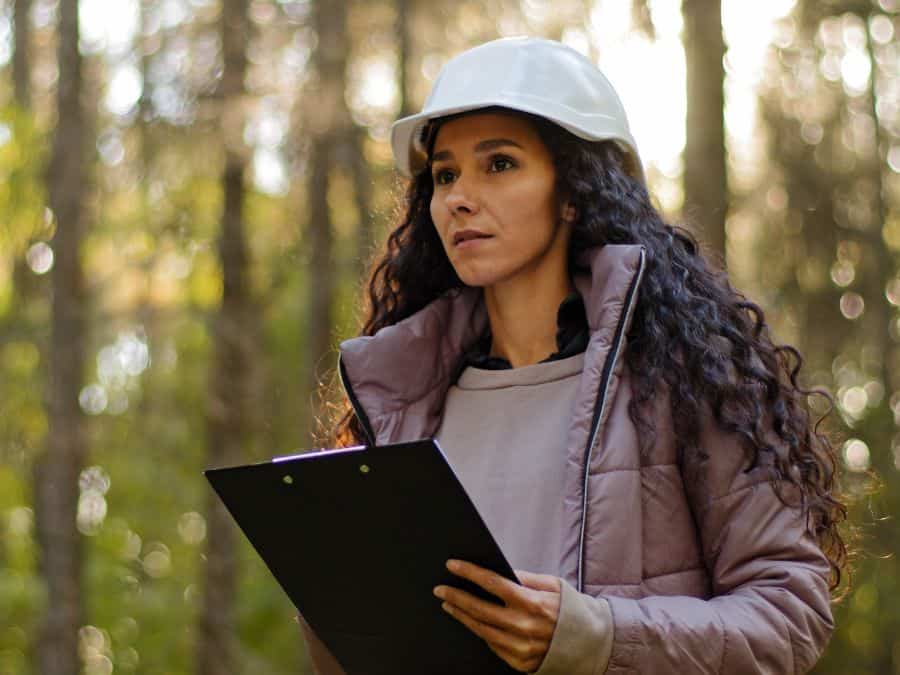
Woman forester wearing a hard hat and holding a clipboard

Skills and capabilities

A wide variety of skills are needed as a Forester.

Technical knowledge

  • Physical strength and mobility to enable the use of tools and machinery such as chainsaws and sprayers
  • Maintaining up-to-date knowledge of health and safety, tree protection laws and environmental issues
  • Conducting forest surveys and carrying out tree safety inspections
  • Tree harvesting, branch removal and preparing measured timber
  • Determining risks and protecting against forest fires, diseases and pests
  • First aid, fell operations, using equipment safely / tree surgery
  • Reporting and other tasks on a computer.
Learn more about upskilling
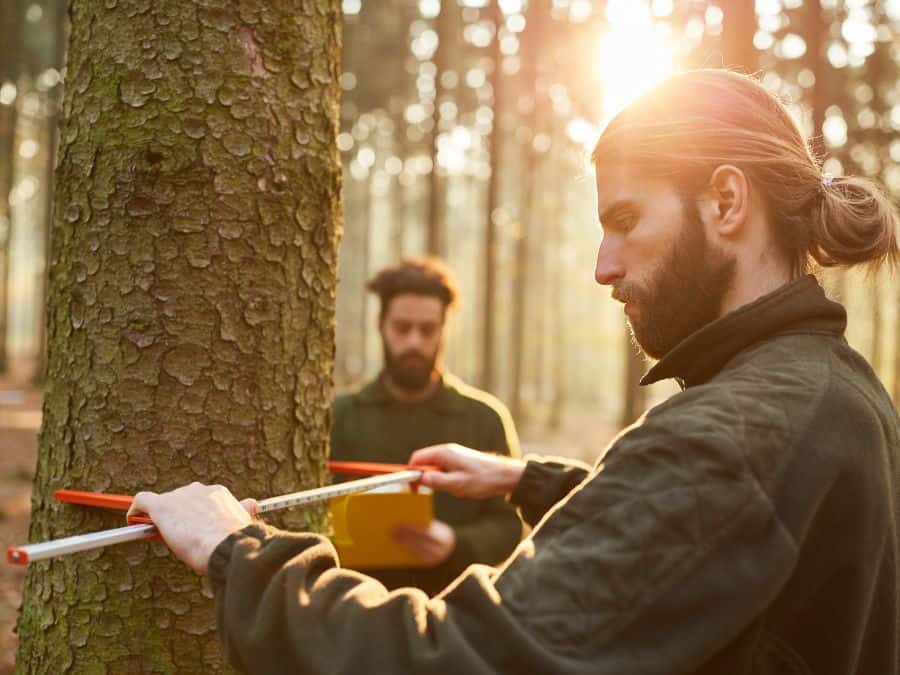
Male forester measuring the width of a tree trunk

A day in the life of a Forester

Foresters typically work full time and may be required to work overtime or at weekends. Hours will often depend on the season. Part-time, contract and casual work is possible and sometimes the work can be more seasonal.

Foresters can spend their time between office and site, working outdoors and travelling some distances (a driving licence is required) throughout all seasons, and so it can be hard, physically. Much of their work will involve desk-based activities such as writing reports. You may need to take courses in certain areas such as first aid, fell operations, using equipment safely or tree surgery.

Entry routes

There are various routes to take into working in forestry. Organisations may have different qualifications and practical work experience requirements. Some may seek apprentices and others may look for a strong academic background or individuals who have completed relevant training. Practical experience and on-the-job training are necessities, and apprenticeships or volunteering for a woodland or wildlife charity are a great way to achieve these.

The list below shows some example routes into the profession, ranging from college courses, to apprenticeships, training, and degrees. View an up-to-date list of qualifications for Foresters on the Lantra website.

To note: in England, Northern Ireland and Wales, it will typically take three years to complete a full-time, undergraduate degree. In Scotland, it typically takes four years. Apprenticeship courses vary in length, and also require an end-point assessment period. Please check this information on a case-by-case basis.

Relevant sectors

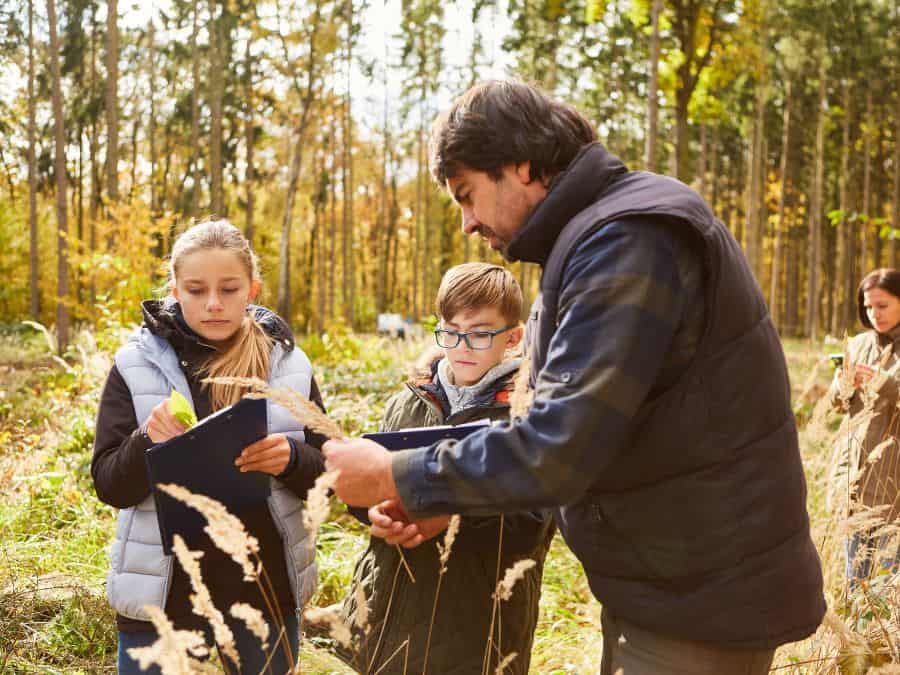
Forester educating children in the woods

Learn about the green agenda across different sectors

Information kindly supplied by:
Lantra logo
Lantra

Lantra is one of the leading awarding bodies for land-based industries in both the UK and the Republic of Ireland.

Success stories

Created by

ISEP logo with name

ISEP is the membership body for environment and sustainability professionals