There is a huge demand for green skills in the construction sector. Amanda Williams, Head of Sustainability at Chartered Institute of Building, and ISEP Fellow, talks about the opportunities in this blog.
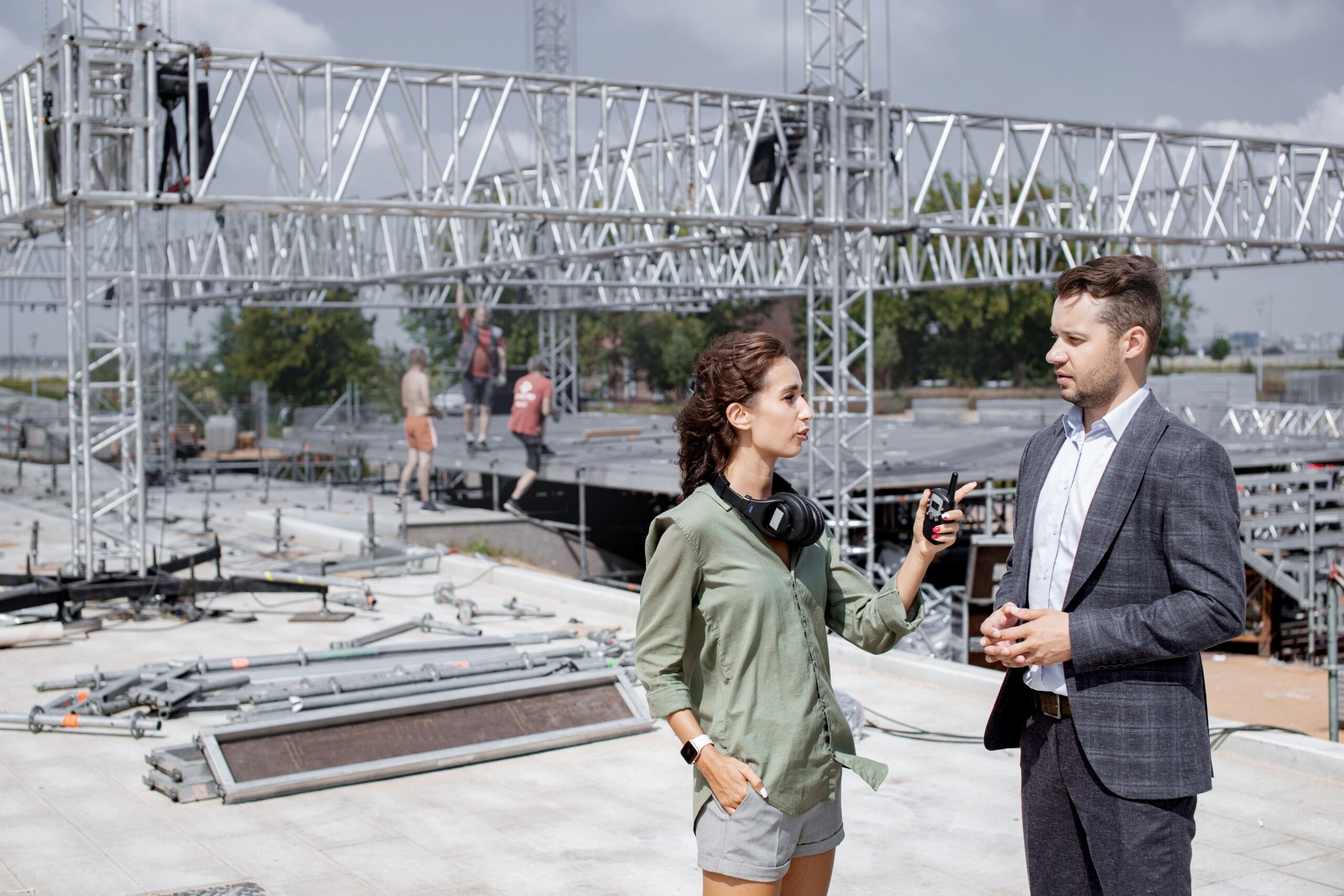
If you’re passionate about sustainability and keen to enter the environmental professions, you might not have considered a career in construction. But there is huge potential to contribute to a more sustainable society from within the construction industry, and the good news is that the industry needs you!
The built environment is responsible for around 40% of global carbon emissions, with approximately 11% of these coming from construction projects, and the rest from the maintenance and operation of buildings. Construction also uses around half of all raw materials extracted and creates around a third of the world’s waste, while hard infrastructure is thought to be the second largest driver of biodiversity loss. So, environmental sustainability is a priority issue for the construction industry.
However, here is an optimistic outlook -the industry has the potential to make a huge contribution, because in construction people are used to working across disciplines to solve challenging problems. There is also a large opportunity to improve existing buildings, and we must also build better new buildings for a more sustainable future.

Construction also makes a significant social contribution, by providing the homes and essential infrastructure needed by society, creating training and employment l building community spaces that facilitate community engagement and cohesion, supporting local businesses and suppliers, preserving heritage and the character of historic buildings, improving the efficiency of homes, and reducing fuel poverty through retrofit programmes.
But the industry is facing a significant skills gap, a critical mismatch between the specialised skills construction firms need and the skills available in the labour market. This includes digital and sustainable skills and some specific trades, such as plumbers and electricians, which has the potential to derail the transition to a more sustainable built environment.
TOP TIP: You don’t have to have completed a built environment degree to work in construction. People come from a wide variety of degree courses and non-higher education routes as well.
The green skills gap is often described as the shortage of workers needed to fill incoming jobs created by the green transition – what we might refer to as green jobs, such as Retrofit Coordinators, Sustainability Managers, or Biodiversity Net Gain Specialists – and there certainly is demand in construction for these specific roles.
But that’s only part of the picture, as the transition to a more sustainable built environment won’t be delivered by people in ‘green jobs’ alone. It will be delivered when sustainability is considered to be part of all roles. So, even more traditional construction positions, like Project Manager and Commercial Manager are increasingly embedding sustainability into their practice.
It’s important to note that some of the skills the industry needs for the green transition are transferable skills which you may already have or can easily develop.
It’s useful to distinguish between the transferable skills needed – such as leadership, critical thinking, influencing skills, teamwork, and collaboration – and some of the more technical knowledge and skills – like familiarity with sustainable materials, net zero buildings design, sustainable building practices, energy conservation, ecology, and renewable energy installation.
TOP TIP: Consider what transferable skills you have that would be relevant to a career in sustainability in the built environment and highlight these in your CV. You can use the ISEP Sustainability Skills map to help with this.
In all jobs there needs to be some level of understanding of sustainability. Depending on the role, this might range from a green mindset or positive attitude to sustainability, and some environmental awareness, through to the generic transferable skills that you need to apply differently for a sustainable future. Then there are the new knowledge and skills required to green existing occupations, and specific green skills for new green occupations that directly support the transition.
There are some specialist roles focused on protecting or improving the environment. In the construction industry, this might include Sustainability Manager, Site Waste Manager, Energy Efficient Retrofit Coordinator, or Project Ecologist, for example. The number of green jobs in the industry is increasing, and candidates that meet the criteria for these roles are in high demand.
People come into sustainability roles in the built environment with a wide range of backgrounds and their interests reflect that too, whether they are career changers or new entrants to the world of employment!
So, whatever your interests, whether engineering, science and technology, nature and wildlife, or communications, there will likely be a role for you. Perhaps you’re interested in geography, geology or water resources, maybe the circular economy, reuse, upcycling and recycling, or problem-solving, digital transformation and innovation.
TOP TIP: You could be part of a more sustainable future for construction by considering a role in sustainability in the built environment industry.
If you’re interested in finding out more then check out the following resources:

Author: Amanda Williams is an ISEP Fellow and Head of Sustainability at Chartered Institute of Building
Image credits: 1 and 2 – Shutterstock, 3 – photo provided by Amanda
Related articles

Top hiring trends in sustainability for 2026: what employers need to know
Rebecca Booth, Hays UK

Reframing youth perceptions of green career opportunities
Tally Szewczyk, Team Administrator for the Careers and Education team at ISEP

Electrifying the UK with ISEP training
Chris Seekings, Deputy Editor, Transform at ISEP